




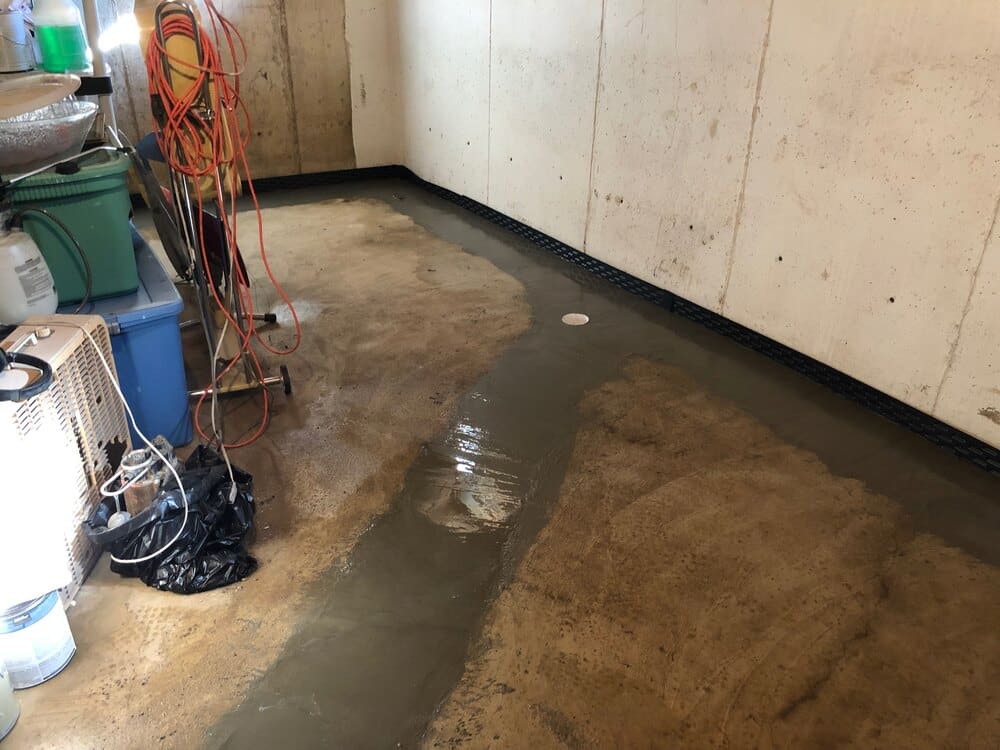
Michigan winters can be tough on basements! Freezing temperatures, snow buildup, and shifting soil can put significant pressure on your foundation walls and floors. When it’s cold, you might find more moisture around the foundation, which can turn small issues into bigger problems if you don’t address them as soon as possible. Finding the ideal humidity for a basement in winter and keeping up with regular maintenance is critical to protecting your home, and with some preventive steps, you can keep your basement dry and stable throughout those chilly Michigan months.
Why Michigan Basements Need Extra Winter Care
Michigan winters create conditions that put added stress on basements, making winter maintenance especially important. These include:
- Freeze-thaw cycles causing soil to expand and contract around foundation walls.
- Snow buildup that leads to heavy snowmelt during warmer periods.
- Frozen ground preventing water from draining away from the foundation.
- Cold temperatures that affect drainage systems and sump pump performance.
- Older basements being more vulnerable to moisture issues.
- Small foundation cracks widening as materials shift during winter.
Common Basement Issues During Winter
Winter in Michigan often reveals a basement’s weak spots. With the snow melting, frozen ground, and constant temperature changes, moisture-related foundation problems often become more noticeable. There are many common basement issues, and learning to recognize them is key to protecting your home.
Moisture and Leaks
During winter, moisture comes from melting snow and groundwater pushing against the foundation. However, since the ground is frozen, this moisture can’t drain properly. This lets water seep into weak spots, such as cracks where the wall meets the floor.
Foundation Cracks Expanding
Cold weather and freeze-thaw cycles can worsen cracks in walls. Small cracks might become more noticeable, while bigger or stair-step cracks could mean there’s extra pressure on the wall. Even small gaps can allow water to enter, worsening the damage.
Sump Pump Failure Due to Freezing
Sump pumps are useful during winter thaws, but if the temperature drops too far, the discharge lines can freeze. When water can’t drain away, it can start to back up near the foundation, which can quickly become a serious problem.
Increased Humidity and Mold Growth
Michigan basements in winter can feel pretty damp, even if there aren’t any obvious leaks. You might find condensation building up on cold walls, floors, or pipes; this is often due to the foundation materials allowing moisture to seep through. Keeping the humidity in check is key to keeping your basement dry and stable.
How to Maintain Your Michigan Basement in Winter
When it comes to keeping your Michigan basement in good shape during winter, the main goals are to avoid water damage, control humidity, and properly insulate the area. Maintaining your basement during the colder months is all about preventive measures.
Inspecting Your Basement Before Winter
Before winter, check walls, floors, and the wall-to-floor seam for cracks or damp spots. Look for water stains or changes in trim and flooring above. Catching problems early gives you time to fix them before freeze-thaw cycles worsen them.
Waterproofing Your Basement for Cold Weather
Focus on controlling water where it enters, especially at the wall-to-floor seam. Waterproofing coatings help, but work best as part of a full system. Interior drainage systems are best because they redirect water away from the foundation. The goal is to manage water, not cover it up.
Managing Snowmelt and Groundwater
Make sure to keep snow away from your foundation and direct downspouts to send water far from your home. When things start to thaw, groundwater levels can rise, so it’s crucial to clear out drainage paths. Managing water early helps protect weak spots in your foundation.
Insulation and Heating Considerations
Insulation is a great way to keep your basement at a steady temperature, but it’s important not to trap moisture against the walls. Cold surfaces can lead to condensation, so it’s a good idea to keep things warm and make sure your pipes are insulated properly. Steer clear of quick fixes that just cover up moisture issues instead of really addressing them.
Moisture and Humidity Control in Winter
Basements can become damp in winter due to groundwater or condensation. Keep an eye out for musty odors or wet spots on walls and floors, and make sure your sump pumps and drainage systems are in good condition. Keeping humidity in check helps the basement dry and protects your walls and floors for years to come.
Protecting Foundation
Winter can damage your foundation walls, so watch for cracks, doors that stick, or uneven floors; these may mean something is shifting. It’s best to fix these issues early to prevent bigger problems later. Instead of just covering up the visible problems, focus on making sure the foundation is stable.
Emergency Preparedness
Winter storms and quick thaws can sometimes bring unexpected water problems your way. It’s a smart move to know where your sump pump drains and to keep those lines clear. It’s always good to have a plan ready for any unexpected water issues, and don’t hesitate to reach out to a professional if you need help avoiding damage.
Hire Professional Basement Maintenance: When DIY Isn’t Enough
If you have leaks, cracks, or any signs of foundation shifts, it’s time to contact the experts. By getting a professional inspection and solid fixes, homeowners can keep moisture in check and maintain a strong, stable foundation all winter long.
Our experts at Bluebird CFW understand how local soil and winter weather can affect basements, and we build on solutions that address the main cause of your problems, not just the symptoms. Give us a call today, and let’s get started.