




Water damage to your foundation doesn’t just happen because of one heavy rainstorm. It builds up over time as groundwater consistently presses against your basement walls, seeking weak spots to enter. Installing a drainage system stops this cycle, but the toughest question homeowners face is whether to install the drain tile inside or outside their foundation. Both options have merit, but they also have key differences, and choosing the right waterproofing solution for your home requires assessing all relevant factors.
What Is a Drain Tile System?
A drain tile system is an underground drainage setup designed to collect groundwater and move it away from your home’s foundation. It uses perforated pipes buried in gravel, which naturally draw and channel the water to a discharge point through gravity or a sump pump. The primary purpose is to stop the water pressure from building up against foundation walls, prevent structural damage, and keep your basement dry.
Water in saturated soil exerts significant pressure on your foundation, and drain tiles provide a more direct path through the pipe system rather than through your walls. The pipes have small openings that allow groundwater to flow through, while the gravel surrounding them filters out dirt and directs the water toward the discharge area. This continuous water removal is crucial because it prevents foundation cracks, basement flooding, and joint leaks where your floor and wall meet.
Understanding Exterior Drain Tile Systems
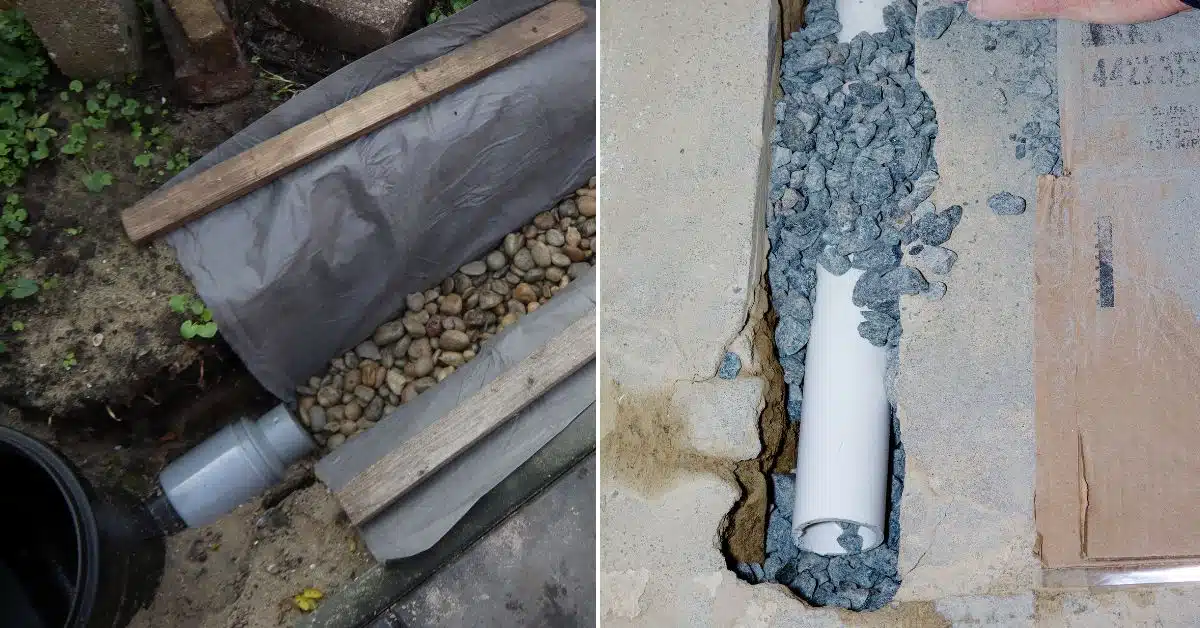
An exterior drain tile system works by placing perforated pipes in a trench that’s dug around your foundation at the footing level. The pipes rest on gravel bedding and are wrapped in filter fabric to prevent clogs from soil and roots, and are designed to capture groundwater before it enters your basement. Installation requires excavating around your entire home, which means temporarily removing landscaping and walkways.
Once the pipes are positioned with a slight downward slope toward a discharge point, the trench is backfilled with gravel and soil to complete the system. This approach has protected basements since the early 1900s, and now uses more modern materials to reduce the risk of drainage failure from accumulated dirt and debris. These systems use perforated PVC pipes, clean gravel for drainage, and protective fabric to redirect water to a specific discharge point and prevent damage to your home.
Pros and Cons of Exterior Drain Tile Systems
Exterior drain tile systems provide powerful protection but demand substantial work and investment.
Pros:
- Keeps water away from the foundation: Groundwater is captured on the exterior and channeled to drainage points before it can seep into the foundation.
- Long-lasting protection: Tough materials and waterproof layers create a barrier that reduces pressure on walls and shields your home for decades.
- Ideal for high-water-table areas: This is effective at managing saturated soil conditions by controlling pressure before it causes cracks or movement.
Cons:
- Higher installation cost: Digging deep trenches around your foundation with heavy machinery makes exterior systems one of the pricier waterproofing solutions.
- Requires excavation: Workers dig down to your footings around the whole house, which takes considerable time and damages surrounding surfaces.
- Disruption to landscaping: The process removes plants and gardens and may damage patios, walkways, or driveways.
Understanding Interior Drain Tile Systems
An interior drain tile system captures water from your basement by installing perforated pipes along the inside perimeter of your floor where it meets the walls. Workers jackhammer the floor edges and dig a trench to the footing, then lay the pipes in gravel that serves as both support and filtration. They then drill small weep holes into block foundations to release trapped water into the drainage channel, and drainage boards to guide seepage into the pipe.
After covering the pipes with additional gravel, the team pours fresh concrete to restore your floor and fully conceal the system. Once complete, the water flows through the pipes to a sump pump that automatically removes it from your home. Because this system sits above the footing in a cleaner zone, it resists clogging better than exterior options.
Pros and Cons of Interior Drain Tile Systems
Interior systems offer convenience and cost-effectiveness, but manage water differently compared to exterior systems.
Pros:
- Easier, faster installation: The process skips outdoor digging, speeding up work and reducing physical effort.
- More affordable option: By avoiding excavation and yard repairs, the average cost for homeowners is substantially reduced.
- Ideal for retrofitting existing homes: Properties with established yards benefit, as this fixes water issues without affecting outdoor areas.
Cons:
- Does not stop water from reaching the foundation: Water still reaches your walls first, and this system only controls it after it comes through the floor joints.
- Relies heavily on sump pump performance: Your dry basement depends on the pump operating properly, so equipment failure or power loss poses a flood risk.
- May require ongoing maintenance: Pumps need replacement after some years, and drainage lines need occasional inspections for blockages.
Exterior vs. Interior Drain Tile: What’s The Difference
If you can’t tell whether to install drain tile inside or outside, it helps to understand the differences between the two approaches.
1. Installation Location
The drain tile’s location makes all the difference in its performance. Exterior systems get buried outside your foundation walls right down at the footing level, while interior systems sit under your basement floor along the inside perimeter. Outdoor setups require trenches dug around your entire house, but interior ones involve cutting through the basement slab.
2. Protection Level
Where the system intercepts the water makes a huge difference in how well your foundation stays protected. Exterior systems prevent water from reaching your foundation walls before it can soak in, reducing the risk of wall weakening and mortar breakdown. Interior systems, on the other hand, work only after water has already reached your foundation or risen from below.
3. Cost
Your wallet will take a bigger hit with exterior systems. Interior installations are generally the most affordable route since the work stays inside your basement. Exterior jobs require digging up your entire yard and then fixing everything afterward.
4. Installation Difficulty
Both jobs come with installation challenges, just different kinds. Exterior work means excavating deep trenches while avoiding buried utility lines, then carefully putting your yard back together once the installation is complete. Interior jobs avoid outdoor digging but fill your basement with dust and noise from breaking up concrete.
5. Maintenance
Exterior drain tile rarely requires attention once it’s in the ground, but tree roots or soil buildup can eventually clog these systems to the point that they require professional cleaning. Interior systems rely on sump pumps that last about 7 to 10 years before needing replacement.
6. Best For
New home construction is the perfect time for exterior drain tile since the foundation is already dug out. Properties with sloping yards that funnel water toward the house also benefit from exterior systems. However, interior drain tile makes better sense when you already have an established home with a finished yard. It also works great when water is rising from a high water table beneath your property.
Choosing the Right Drain Tile System for Your Home
When deciding which drain tile system best fits your home’s needs, you should weigh as many factors as possible. Everything, from the home’s age and condition to the severity of the water issues, plays a part in determining which option is right.
1. Age and Condition of Your Home
The construction era of your property determines how accessible your foundation is for installation work. Brand-new builds allow you to add drainage systems while everything is open, avoiding future digging costs. However, homes several decades old require evaluation of their foundation materials, as stone or block structures may have deteriorating joints that affect system selection.
2. Basement usage
Unfinished basements used for storage or utilities make interior installations straightforward since there’s no flooring or drywall to remove. Finished basements with carpeting, entertainment systems, or guest bedrooms favor exterior work that keeps all the construction mess outside of your living space.
3. Budget and Timeline
Your available funds directly limit which system you can realistically install. Some solutions require a huge upfront investment, while others offer more reasonable entry points. Your timeline is also a factor, as some installations may take days while others may take weeks, depending on weather and soil conditions.
4. Severity of Water Issues
Examine the extent of moisture entering your basement to figure out which solution best fits your problem. Occasional wet spots after heavy storms point toward manageable situations with straightforward fixes. However, persistent flooding or visible wall damage, such as horizontal fractures, indicates more severe conditions that require comprehensive intervention.
The difference between professional inspectors and DIYers is that professionals use specialized cameras to check drainage pipes and sensors to find hidden moisture. They can distinguish between simple seepage and serious foundation problems, while most homeowners notice only obvious signs, such as standing water, and miss the underlying cause.
5. Integration with Sump Pump Systems
Drain tile systems and sump pumps work together to protect your basement from water damage. The drain tile acts like an underground gutter that catches groundwater and funnels it into a sump pit installed at your basement’s lowest spot. To keep everything working properly, pour water into your pit every few months to test the pump’s response. Remove any rocks or debris that might clog the system, and check that your outdoor pipe isn’t frozen or blocked.
Michigan homeowners need backup systems because the state’s intense spring thaws and rainstorms can overwhelm a single pump. Backup pumps also protect you during power outages, which often happen right when storms hit, and you need protection most. Once the sump pit fills with water, it automatically activates and discharges the water to a safe area away from your home, even in harsh Michigan weather.
When to Call a Professional
Contact a drainage expert if you have evidence of moisture problems that don’t improve despite cleaning gutters or adjusting downspouts. You need an immediate professional assessment when cracks start to grow, your pump never stops running, or inspections reveal water issues. You should call a professional if you notice:
- Basement water or puddles appearing repeatedly after rainfall
- Walls and floors remaining damp with musty basement odors
- Water pooling near your foundation that won’t drain away
At Bluebird CFW, our local waterproofing professionals know how Michigan’s soil behaves and can reach you quickly during flooding emergencies. If you’re curious about interior and exterior drain tile, give us a call, and let us help.